Answering the question “What should I feed my lawn in winter?” this guide highlights effective winter lawn feeds and related products. The selections are suited for different buyers: homeowners seeking simple fall feeding, those dealing with weeds, and gardeners preparing for spring recovery. Below, each product section explains who it’s best for, why it was chosen, and practical considerations for winter lawn care. A quick summary table of the chosen products is provided for fast comparison.
| Product | Best For | Why It Stands Out |
|---|---|---|
| Scotts Turf Builder WinterGuard Fall Lawn Fertilizer | Fall feeding for all grass types | Strengthens roots for spring recovery |
| BioAdvanced 5-in-1 Weed and Feed | Weed control with feeding | Controls broad weeds plus crabgrass |
| Scotts Turf Builder 3-Bag Lawn Care Bundle | Small Northern lawns needing multi-season care | Includes WinterGuard and weed control |
| O.M. Scott Natural Grass Food | Natural fertilizer option | Natural nutrients; pet/kid-friendly |
| Barenbrug Wonderlawn Winter Grass Seed Mix | Winter seeding for durable lawns | Fast germination; weed-free mix |
Scotts Turf Builder WinterGuard Fall Lawn Fertilizer for All Grass Types
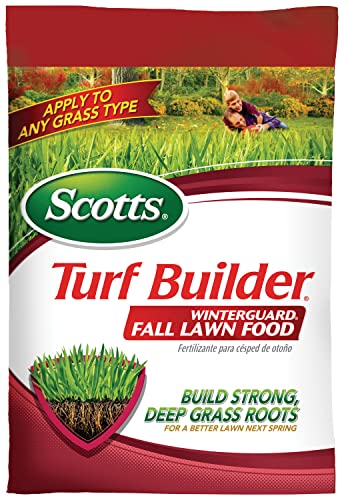
Best for all grass types, this fall fertilizer strengthens deep root systems to support spring growth. It helps lawns recover from summer heat, drought, and activity, and is suitable for application on both wet and dry lawns in fall. Choose this if you want a straightforward fall feeding that primes your lawn for spring recovery.
Who it’s best for: homeowners seeking a reliable, all-grass solution to prepare the lawn for winter dormancy and spring revival.
Caution: Apply as directed in fall; avoid over-application which can stress roots in extreme conditions.
BioAdvanced 5-in-1 Weed and Feed Granules

This product combines weed control with lawn feeding, tackling over 200 listed weeds and preventing new ones for up to six months. It also targets crabgrass with four weed killers. Best for homeowners who want a single product that both feeds and reduces weed pressure through winter into spring.
Who it’s best for: buyers dealing with persistent weeds while maintaining lawn growth through the off-season.
Caution: Not all weeds or lawn types may respond equally; consider a weed profile check before application.
Scotts Turf Builder 3-Bag Lawn Care Bundle for Small Northern Lawns

This bundle combines Weed & Feed5, SummerGuard, and WinterGuard in a single purchase, designed for small northern lawns up to 4,000 sq. ft. It provides weed control, insect protection in summer, and fall feeding for winter readiness. Best for homeowners who want a coordinated seasonal approach in one package.
Who it’s best for: gardeners managing a northern lawn with the aim of year-round protection and simplified purchases.
Limitation: Products ship separately and may arrive at different times, so plan delivery accordingly.
O.M. Scott Natural Grass Food

This natural grass fertilizer uses premium nutrient sources found in nature. It feeds up to 10 weeks, beginning after watering, and is safe for use around kids and pets when used as directed. Best for buyers seeking a natural option with extended feeding.
Who it’s best for: households prioritizing natural ingredients and pet-friendly lawn care.
Caution: Results depend on consistent watering to activate slow-release nutrients.
Barenbrug Wonderlawn Winter Grass Seed Mix

This winter seed mix is a weed-free blend of turf-type Italian and perennial ryegrass designed for partially shady to sunny conditions. Best for southern regions where late fall to early winter planting aligns with soil temperatures in the mid-40s. It germinates quickly and supports a durable lawn through winter without requiring chemical transitions in spring.
Who it’s best for: homeowners seeking a robust winter seeding option to enhance winter stability and future spring resilience.
Caution: Seed establishment timing is region-sensitive; follow local guidance for optimal results.
Buying Guide
What should I consider for winter lawn feeding?
Assess your grass type, climate, and weed pressure. Choose products labeled for fall or winter feeding when you want roots to strengthen before spring growth. Consider a product that combines weed control with feeding if weeds are a concern.
Which product fits a small northern lawn?
The Scotts 3-Bag Lawn Care Bundle is designed for small northern lawns and bundles winter care with weed and insect protection. It simplifies seasonal planning by offering a tri-pack in one purchase.
Is a natural fertilizer better for winter feeding?
Natural options, like O.M. Scott Natural Grass Food, appeal to buyers prioritizing natural nutrient sources and pet-friendly use. They often require more time to show effects but align with organic lawn-care goals.
When should I seed versus feed in winter?
Winter seed mixes, such as Barenbrug Wonderlawn, suit regions where soil temperatures are cool enough for germination. Seeding is a longer-term investment for spring readiness, while feeding addresses immediate root strength and weed prevention.
How to apply and precautions?
Always follow package directions for rate and timing. Water as needed to activate slow-release nutrients and avoid applying during extreme cold or drought conditions. Keep children and pets away from treated areas if specified on the label.
FAQ
- Q: Can I apply winter fertilizer to wet or dry lawns? A: Yes, some labels permit application on either wet or dry lawns, but always verify the product’s instructions before use.
- Q: How long does winter feeding take to show results? A: Results vary by product; some feed gradually over 4–12 weeks, especially slow-release formulas.
- Q: Is weed control necessary in winter?
- Q: Can I use multiple products together?
- Q: Are seed mixes useful for winter lawns?
- Q: What’s the best choice for a pet-friendly lawn?A: Natural or slow-release formulas labeled pet-safe, such as certain natural grass foods, are often preferred when pets frequent treated areas.
A: It depends on weed pressure. Some products provide extended weed protection through spring, which can be beneficial in late winter or early spring.
A: Avoid mixing products unless explicitly allowed by their labels. Use separate applications if combining is not recommended.
A: Winter seed mixes can establish turf that survives colder months and transitions to spring, particularly in regions with appropriate soil temperatures.