Answering the question of the right wood sealer for garden beds, this guide highlights plant-safe, non-toxic sealers that protect cedar and other woods used in raised beds, planters, and outdoor structures. The top picks are ideal for gardeners who want durable protection without risking soil or plant health. Best suited for homeowners building raised beds, container gardens, or animal-friendly enclosures who need a natural, low-odor formula that penetrates wood fibers and lasts for years.
Summary table of selected products
| Product | Brand | Best For | Notes |
|---|---|---|---|
| Garden Box Sealer – Plant-Based | Seal It Green | Raised beds and planters; vegetable gardens | FDA food-contact safe; plant-based; citrus aroma |
| Shabebe Garden Box Sealer 32oz | Shabebe | Outdoor wood in gardens; pet spaces | Professional-grade protection; water-base |
| Shabebe Garden Box Sealer Pro Grade 1 Gal | Shabebe | Large garden beds and fences | Pro-grade formula; low odor |
| Shabebe Garden Box Sealer 128oz | Shabebe | Extended outdoor wood protection | Professional-grade; long-lasting |
| HOPE’S Tung Oil | HOPE’S | Indoor/outdoor wood finishes; classic oil look | Natural oil finish; penetrates wood |
Garden Box Sealer: Plant-Based, FDA Safe for Raised Beds

Best for: Gardeners building cedar or other wood raised beds who prioritize plant safety and a natural scent. This sealer uses deep-penetrating natural oils that bond with wood fibers to defend against water and weather for years. It’s explicitly labeled non-toxic and FDA food-contact safe, reducing concerns about any leaching into soil.
Why selected: The plant-based formulation focuses on safety for vegetable gardens and pet areas, with a clear warning against acrylics or petroleum-derived sealers. It also mentions a citrus scent, which some gardeners appreciate for a pleasant, mild odor during application. This option is particularly suitable for those who want a long-lasting seal without harsh chemicals.
Caution: Do not mix with other sealers or use products containing acrylics, polymers, silane, siloxane, or silicone for garden beds. If the label lists those ingredients, switch to a 100% plant-based option.
Shabebe Garden Box Sealer 32oz
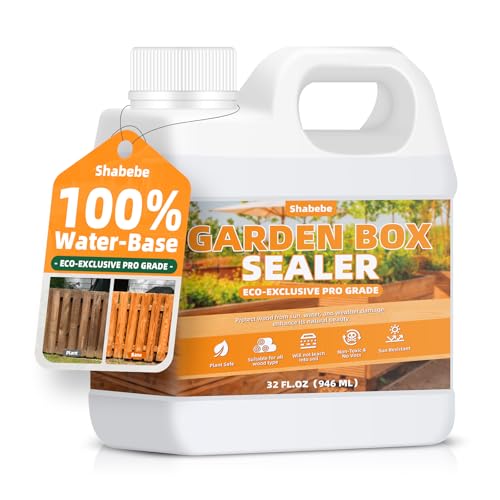
Best for: Garden beds and planters where a professional-grade water resistance is desired, combined with plant-safe, water-based formula. Suitable for cedar, pine, hardwood, bamboo, and pressure-treated wood commonly used in outdoors.
Why selected: This option emphasizes deep moisture protection and a lower odor formula, making it good for spaces with plants and pets. It is not recommended for laminated or coated woods, so choose this when your project uses natural or untreated wood.
Caution: Not advised for laminated or coated surfaces; surface prep and wood choice influence performance over time.
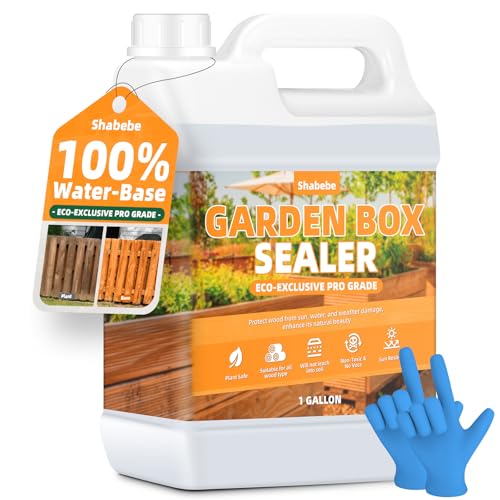
Shabebe Garden Box Sealer Pro Grade 1 Gallon

Best for: Larger garden projects and heavy outdoor use where a pro-grade formula is warranted, including raised beds, fences, and planters. It aims to minimize maintenance by bonding with wood fibers for durability against sun and moisture.
Why selected: The pro-grade blend promises longer-lasting protection and lower maintenance, which benefits gardeners with sizable bed installations. It supports a wide range of wood types and is designed for outdoor environments.
Caution: As with all sealers, ensure good ventilation during application and follow cure times for best results. Not recommended for laminated surfaces.
Shabebe Garden Box Sealer 128oz
Best for: Homeowners sealing multiple large garden beds or a series of outside wooden structures, needing an extended, long-lasting barrier against moisture and sun exposure.
Why selected: This size targets extensive outdoor wood projects with a professional-grade seal, reducing the frequency of reapplication and maintenance, while ensuring plant safety.
Caution: Confirm wood type compatibility and avoid applying on coated or laminated woods for best results.
HOPE’S 100% Pure Tung Oil

Best for: Gardeners who want a classic natural oil finish that penetrates wood fibers and creates a durable, hand-rubbed look. Suitable for indoor and outdoor projects where a traditional oil finish is preferred.
Why selected: Tung oil penetrates rather than forming a film, offering flexible protection against moisture and wear. It’s a traditional choice for wood care with a long track record in woodworking.
Caution: Tung oil can require multiple coats for optimal appearance, and curing times vary with temperature and humidity. Not a quick-dry sealant compared to some water-based products.
Buying Guide: Key Considerations For Choosing Wood Sealer For Garden Beds
- Plant safety and food-contact suitability: Prioritize products labeled FDA food-contact safe if you plan to use treated wood around edible gardens.
- Penetration vs. surface film: Penetrating oils bond with the wood, offering long-term protection; surface sealers can peel in outdoor conditions. Choose based on wood type and exposure.
- Wood type compatibility: Cedar, pine, hardwood, bamboo, and pressure-treated woods are common in garden beds. Check product notes for laminated or coated wood compatibility.
- Odor and toxicity: Water-based, low-odor formulas are preferable near plants, kids, and pets.
- Application and cure time: Some products require multiple coats or extended cure times. Plan applications during mild weather for best results.
- Size and maintenance: Larger projects benefit from pro-grade or larger containers to reduce reapplication frequency.
- Environmental concerns: Avoid petroleum-derived sealers for vegetable gardens; favor plant-based or natural oil options when possible.
FAQ
- Q: Is a plant-based sealer better for garden beds than a solvent-based option? A: Plant-based sealers reduce risk of chemical leaching into soil and are generally safer for gardens and pets when used as directed.
- Q: Do I need to seal wooden garden beds every year? A: It depends on climate, sun exposure, and wood type. High-UV environments often require more frequent reapplication.
- Q: Can I use tung oil on garden beds? A: Yes, tung oil penetrates wood fibers and provides a natural finish; ensure proper curing and ventilation during application.
- Q: Are there any sealers to avoid for vegetable gardens? A: Avoid acrylic, polymer, silane, siloxane, or silicone-based products in vegetable gardens as they may leach harmful substances.
- Q: What is the difference between penetrating sealers and surface coatings? A: Penetrating sealers enter wood fibers for durable moisture resistance, while surface coatings form a film on top of wood that can wear away with weathering.
- Q: Should I seal treated lumber used in garden beds? A: Follow product guidance; some sealers are designed for all wood types including treated lumber, but always verify compatibility.