Best wood treatment for outdoor use means choosing products that protect against moisture, wood decay, and pests while preserving the wood’s natural look. The top picks below are suited for decks, fences, sheds, and outdoor furniture. They cover penetrating preservatives, water repellents, and termiticides to guard against rot and insects. This guide highlights who each product is best for and why it stands out, with practical buying pointers to help you compare quickly.
| Product | Best For | Key Benefit |
|---|---|---|
| PenaShield Penetrating Wood Preservative | Anyone seeking deep protection against termites and decay | Deep penetration with termiticide and fungicide action |
| Thompson’s WaterSeal Multi-Surface | Exposed exterior wood needing clear stain and protection | Clear finish with UV resistance and water repellency |
| Roxil Wood Sealer Liquid | Natural look wood with long-lasting waterproofing | Deep penetration and clear finish |
| Eco Wood Treatment | No-maintenance, chemical-free option | Natural, silver patina finish with no solvents |
| Spectracide Terminate Foam | Active termite control in voids and cracks | Foaming action to reach hidden termite galleries |
PenaShield Penetrating Wood Preservative

Brand: Nisus
Why it’s selected: This ready-to-use formula penetrates deeply to guard against termites, carpenter ants, wood-boring beetles, and decay fungi. It’s designed for untreated wood in decks, attics, and woodworking projects, providing long-lasting protection without discoloration.
Who it’s best for: Homeowners needing comprehensive, site-ready protection for wood surfaces susceptible to insect attack. Ideal for DIY projects and areas where deep defense is desired.
Limitations: Requires proper surface preparation and application; repeatedly exposed wood may need reapplication over time as part of a maintenance plan.
Thompson’s WaterSeal Multi-Surface
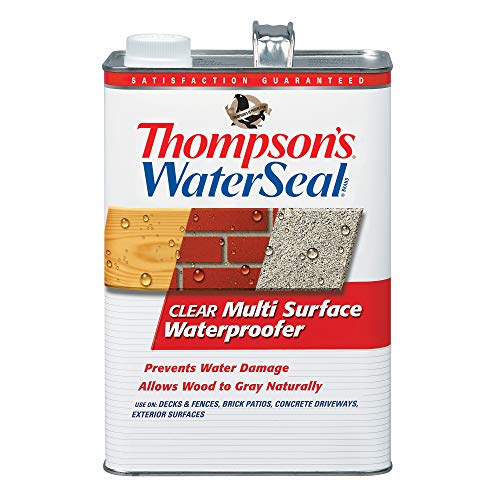
Brand: Thompson’s
Why it’s selected: A clear, waterproofing stain that beautifies outdoor wood while sealing against moisture. It hides grain slightly but preserves texture with a fade-resistant finish, suitable for exterior wood, concrete, and brick.
Who it’s best for: Those who want a clear, UV-protective finish that enhances natural color without a heavy pigment. Great for decks and fences where the grain should show through.
Limitations: Clear finishes may not conceal imperfections; requires reapplication on high-traffic surfaces or after cleaning.
Roxil Wood Sealer Liquid

Brand: Roxil
Why it’s selected: A silicone-based sealer that waterproofs and seals softwood timber, designed to protect pressure-treated wood, pine, and outdoor lumber while preserving a natural look.
Who it’s best for: Projects where the goal is durable waterproofing without significantly changing the wood’s color or grain texture.
Limitations: Clear sealers may require two coats for full coverage; ensure surface is clean before application.
Eco Wood Treatment

Brand: Eco Wood Treatment
Why it’s selected: A chemical-free option that migrates into wood to form a silver patina finish. It requires no ongoing staining or maintenance after one application, making it low-maintenance.
Who it’s best for: Environmentally minded buyers seeking a long-term, low-maintenance outdoor wood finish with a distinctive aged look.
Limitations: The silver patina effect changes the wood appearance and may not suit all aesthetic preferences.
Spectracide Terminate Termite Foam
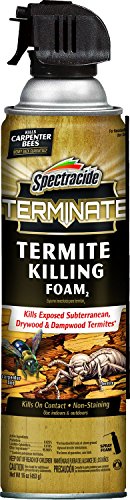
Brand: Spectracide
Why it’s selected: A foaming aerosol designed to reach voids and channels in damaged wood and behind veneers. It kills termites on contact and also treats carpenter bee activity in tunnels.
Who it’s best for: Structural or architectural wood where termites or carpenter bees are active in hidden spaces. Useful as a supplemental/spot treatment in addition to surface coatings.
Limitations: Use as part of a broader integrated pest management plan; not a substitute for systemic protection on high-risk structures.
Buying Guide: Wood Treatment For Outdoor Use
- What to treat first: For new or damaged wood, start with a penetrating preservative (like PenaShield) to guard against insects and decay before finishing with a sealer or stain.
- Finish type: Choose between clear finishes (Thompson’s, Roxil) to preserve natural grain and color, or treated finishes (Eco Wood Treatment) for a distinct look and maintenance profile.
- Protection scope: If termites or other pests are a concern, consider products that include insecticidal action (PenaShield, Spectracide Terminate). Combine with weatherproof coatings for moisture protection.
- Maintenance schedule: Some finishes last longer with less maintenance (Eco Wood Treatment), while others may require annual or biannual reapplication depending on exposure and wear.
- Safety and environment: For chemical-free options, Eco Wood Treatment offers a mineral-based approach; for lower odor and faster cure, consider water-based formulations where appropriate.
- Aesthetics: If you want a natural look, prefer clear sealers that preserve grain. If a patina or color change is acceptable, color-stable stains provide more UV protection and color retention.
Frequently Asked Questions
- What is the best wood treatment for outdoor use with minimal maintenance? Eco Wood Treatment offers a low-maintenance, chemical-free option with a durable silver patina finish after one application, reducing ongoing upkeep.
- Which product provides both protection and pest control? PenaShield penetrates deeply to protect against termites and fungi, offering integrated protection for wood susceptible to insect attack.
- Do clear finishes really protect wood outdoors? Yes, clear finishes like Thompson’s WaterSeal can protect against water intrusion while preserving wood texture, though they may require periodic reapplication for UV protection.
- When should I use termiticide or foam products? Use termiticides like PenaShield for preventive protection and Spectracide Terminate Foam to target active termite colonies in voids or hidden spaces as part of an integrated approach.
- Can I apply these products over painted wood? Most penetrating preservatives and sealers work best on bare or previously prepared wood surfaces; consult product directions for compatibility with painted substrates.
- Is a sealant necessary after using penetrating wood preservative? In many cases, yes. A clear or tinted sealant provides moisture protection and UV resistance, extending the wood’s life.