Answer: Choose wooden wishing wells that blend durability with rustic charm and provide practical planters for your outdoor spaces. This guide highlights five well-made options and explains who each is best for, plus quick buying tips. Perfect for garden lovers seeking decorative greenery, easy maintenance, and a touch of storybook appeal.
| Product | Best For | Key Benefit |
|---|---|---|
| Best Choice Products Rustic Wooden Wishing Well Planter | Stylish patios and gardens | Solid fir wood with rustic finish |
| UDPATIO Wishing Wells Outside | Large plantings and sturdy yards | Four reinforcement rods for stability |
| VINGLI Wooden Wishing Well Outdoor Planters | Classic country decor | Premium carbonized fir wood with upgraded rods |
| Notume Garden Wooden Decor Rustic Wishing Well | Vintage-style outdoor spaces | Iron reinforcement for long-lasting use |
| Aoxun Wishing Well Planters | Adjustable display and durability | Reinforced base and adjustable bucket |
Best Choice Products Rustic Wishing Well Planter
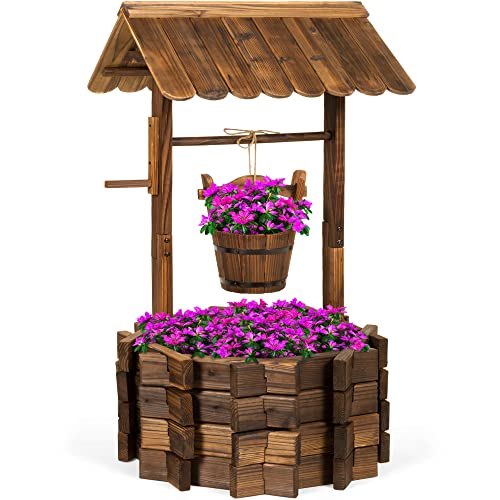
Best For: Gardeners who want a compact, rustic centerpiece that doubles as a planter. This option is ideal for patios, entryways, or small yards where a storybook focal point is a highlight.
Why it’s selected: It uses solid fir wood and a brown finish for a natural, durable look. The hanging bucket feature allows quick changes of seasonal plants, while the built-in drainage keeps soil fresh. It fits spaces where a decorative accent is preferred alongside light planting.
Limitations: The size is best for smaller plantings; very large planters may overwhelm tighter spaces. Ensure the hanging bucket is securely mounted in windy areas.
UDPATIO Wishing Wells Outside

Best For: Outdoor spaces that need a larger planter footprint and extra stability, such as backyards or open patios.
Why it’s selected: The unit emphasizes structural strength with four reinforcement rods and a deep carbonization process, increasing resistance to heat, rain, and humidity. Its large 19.3-inch diameter well accommodates multiple plants and blooms, creating a multi-plant feature in one piece.
Caution: Measure your wellhead and ensure the base area fits in your chosen location. Heavy assembly may require more space than compact balconies allow.
VINGLI Wooden Wishing Well Outdoor Planters

Best For: Garden displays that prioritize natural wood aesthetics and reliable construction.
Why it’s selected: Made from premium carbonized fir wood, it balances durability with a rustic look. Upgraded reinforced rods improve stability against wind and rain, making it suitable for larger planters or plant clusters in exposed areas.
Limitations: Carbonized wood can darken over time; periodic maintenance may be needed to preserve color and finish in sunny climates.
Notume Garden Wooden Decor Rustic Wishing Well

Best For: Those seeking a vintage wagon-inspired planter with easy mobility.
Why it’s selected: The wagon-like design blends antique carriage vibes with practical planting space. Made from fir wood with iron reinforcement, it promises longevity and stability while remaining visually nostalgic. The adjustable handle and four wheels make moving easier for users of different heights.
Consideration: The wagon design may require more floor space; ensure you have a clear path for relocation if needed.
Aoxun Wooden Wishing Well Planters

Best For: Gardeners wanting a durable, adjustable display that can grow with their space.
Why it’s selected: This model emphasizes a reinforced base, a hemp rope-hung bucket, and height-adjustable features. The 21.7-inch diameter well accommodates various plants, making it versatile for colors, herbs, or small ornamentals. The design aims to blend rustic character with practical gardening needs.
Limitation: The assembly involves multiple components; follow the instructions carefully to maximize stability and avoid wobble in windy areas.
Buying Guide: Wooden Wishing Wells For Gardens
- Material and durability: Look for solid fir wood or carbonized wood for weather resistance. Carbonization improves decay resistance but may alter color over time.
- Size and space: Measure your intended area. Larger wells add visual impact but require more floor space and stability in windy spots.
- Stability features: Four reinforcement rods, a robust base, and secure hanging buckets help prevent tipping in storms or high winds.
- Planter capacity: Consider the number and type of plants you want. Base drainage holes support plant health but ensure proper drainage routing.
- Maintenance needs: Painted or stained finishes reduce weathering but may require periodic reapplication to keep the rustic look.
- Mobility and placement: Some models offer adjustable hanging buckets or wheels for repositioning; think about how often you’ll rearrange features.
- Aesthetic fit: Choose a style—classic rustic, wagon-inspired, or two-tone—to match your garden’s theme and existing decor.
FAQs
- What size is best for a small garden? A compact wooden wishing well (roughly 18–28 inches in diameter) fits well in tight spaces while still offering decorative impact.
- Are these suitable for heavy planting? Opt for models with reinforced bases and larger drainage bases if you plan dense planting or heavy planters.
- Do they require assembly? Most products arrive disassembled and include assembly instructions; expect moderate setup time.
- Which finish lasts longest outdoors? Carbonized or stained finishes tend to weather slowly and resist moisture better than untreated wood.
- Can I move them easily? Models with wheels or movable hanging buckets offer easier relocation, though larger units may still need two people to move safely.
- Do these include drainage features? Several models incorporate drainage holes in the base to support plant health; verify drainage design before planting.